Planning Your Alpine Trip
A practical handbook on seasonal timing, regional highlights across six Alpine nations, mountain transit, and emergency preparation.
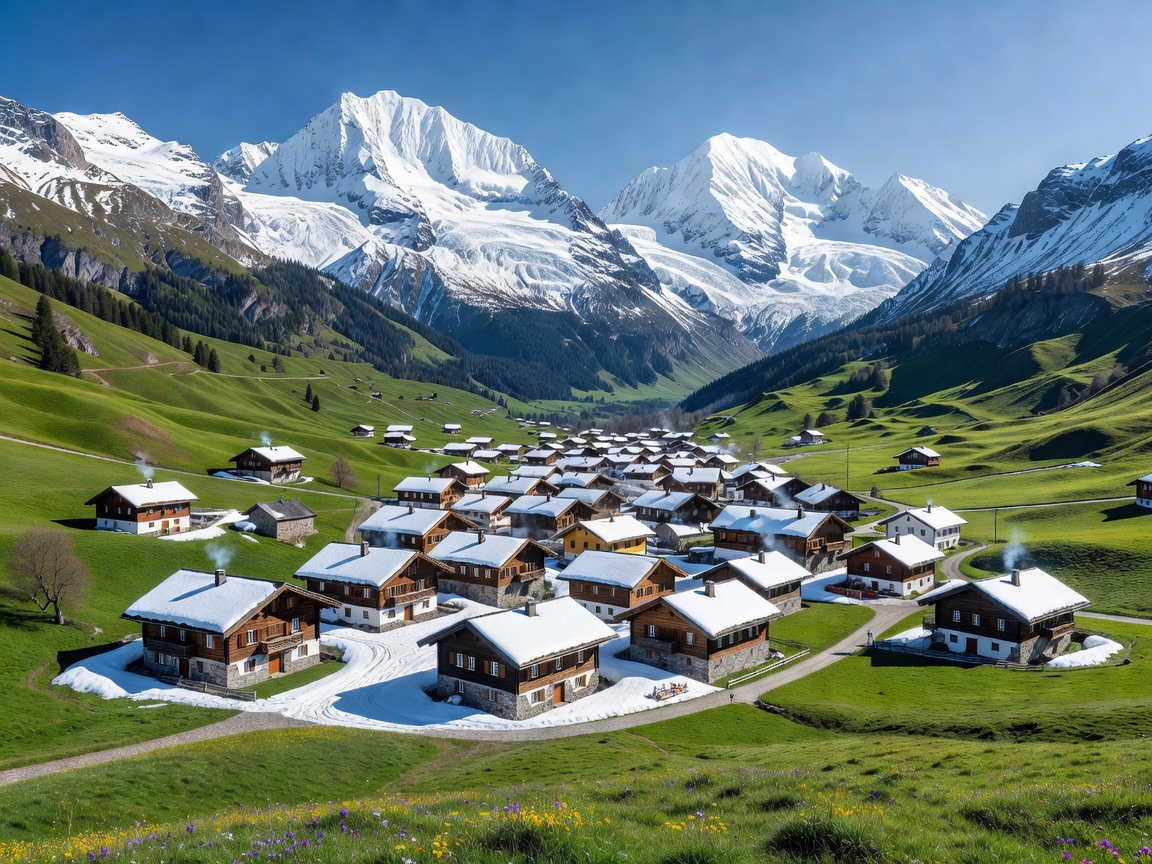
Key Alpine Regions at a Glance
The Alps stretch across 1,200 kilometers through central Europe. Each country offers a distinct mountain culture, landscape style, and infrastructure:
- Austria (Tyrol, Salzburg, Vorarlberg): Famous for traditional alpine hospitality, expansive interconnected ski areas, modern lift networks, and well-marked hiking paths.
- France (Northern & Southern Alps): Home to high-altitude glacier domains such as Chamonix and the Three Valleys, featuring huge vertical drops and big-mountain terrain.
- Switzerland (Valais, Bernese Oberland, Graubünden): Dramatic jagged peaks, pristine glacier valleys, and world-class integrated mountain train transit systems.
- Italy (Dolomites, Aosta Valley): Distinctive pale limestone towers, world-renowned via ferrata networks, and exceptional culinary mountain rifugi.
- Germany (Bavarian Alps): Accessible northern Alpine ridges, deep lake valleys, and charming historic villages around Garmisch-Partenkirchen.
- Slovenia (Julian Alps): Untamed limestone peaks, emerald rivers (Soča Valley), and quieter trails centered around Triglav National Park.
Selecting the Right Season
Planning your trip around seasonal transitions ensures trails and lifts are operational:
- Winter (December – March): Peak ski and snowboard season. High-altitude ski resorts operate fully. Lower mountain hiking trails are snow-covered.
- Spring Transition (April – May): High ski seasons wrap up. Valley snow melts, causing swollen rivers and muddy lower trails. High mountain huts remain closed.
- Summer (Late June – August): Peak hiking, climbing, and mountaineering season. All high mountain passes and huts are open. Afternoon thunderstorms are frequent.
- Autumn (September – October): Crisp clear air, stable weather conditions, and colorful foliage. Excellent for hiking and via ferrata before early winter snowfall begins.
Transport & Getting Around
The European Alps are among the best-connected mountain ranges in the world. Efficient rail networks (such as SBB in Switzerland and ÖBB in Austria) reach deep into mountain valleys, connecting smoothly with local electric postal buses.
Renting a car offers flexibility for exploring remote climbing crags, but requires winter tires and snow chains during winter months by law in most Alpine countries.
Mountain Rescue Insurance & Safety Preparation
Standard travel health insurance often excludes search and rescue costs on mountain terrain. Helicopter evacuation in the Alps is swift and professional, but uninsured rescues can cost thousands of euros.
Consider joining a national Alpine club (such as the Austrian Alpine Club OeAV, German Alpine Club DAV, or Swiss Alpine Club SAC) or purchasing dedicated mountain rescue insurance (e.g., Air-Glaciers / Rega) that covers helicopter evacuation and medical repatriation.
Five Example Alpine Trip Itineraries
| Trip Style | Recommended Base | Primary Activities | Ideal Season |
|---|---|---|---|
| Weekend Ski Getaway | Innsbruck, Austria | Resort skiing, Olympic bobsleigh, urban dining | Jan – Mar |
| Summer Hut Trekking | Interlaken / Grindelwald, Switzerland | Multi-day hut-to-hut hiking under the Eiger | July – Sept |
| Via Ferrata Discovery | Cortina d'Ampezzo, Italy | Protected iron routes in the Dolomites | July – Oct |
| Family Alpine Holiday | Zell am See, Austria | Lake sailing, easy cable car walks, glacier viewing | June – Sept |
| Multi-Activity Adventure | Bovec / Triglav, Slovenia | Kayaking, trail running, mountain biking | May – Sept |