Alpine Skiing: Fundamentals & Terrain
From gentle nursery slopes to expansive interconnected ski circuses, discover how downhill skiing works in the European Alps.
Understanding the Piste System
In Europe, marked ski runs are known as pistes. Pistes are groomed regularly by heavy tracked vehicles called snowcats to flatten bumps and create a predictable corduroy snow texture.
Pistes are categorized by slope gradient and width to help skiers pick routes suited to their skill level:
- Green (Beginner): Extremely gentle gradients, very wide, common in France and Spain. Ideal for the very first turns.
- Blue (Easy): Gentle slopes with moderate gradients not exceeding approximately 25%. Standard starting runs across Austria, Italy, and Switzerland.
- Red (Intermediate): Steeper terrain requiring controlled parallel turns and speed management. The most common grade in Alpine resorts.
- Black (Advanced/Expert): Steep slopes, narrow corridors, or mogul fields intended strictly for competent skiers who can handle firm or icy conditions.
Essential Ski Equipment
Skiing requires specialized gear designed to transfer body movements cleanly to the snow while keeping you warm and protected from high-altitude solar radiation.
Downhill Skis & Bindings: Modern downhill skis feature an hourglass shape called sidecut, which naturally engages an edge and initiates a turn when tilted. Bindings secure your boots and feature a calibrated mechanical release mechanism (the DIN setting) to detach your foot during a heavy fall.
Ski Boots: Ski boots consist of a rigid plastic shell and a warm inner foam liner. They are engineered to hold the ankle and heel firmly in place without foot movement. Proper sizing is crucial; boots should feel snug without creating painful pressure points.
Poles, Helmets & Goggles: Ski poles assist with balance, rhythm, and propulsion on flat areas. Helmets are standard safety gear across all European resorts. Double-lens goggles shield eyes from wind, snow, and strong Alpine ultraviolet rays.
Three Distinct Skiing Styles
| Discipline | Environment | Gear Highlights | Safety Level |
|---|---|---|---|
| Groomed Piste | Marked, patrolled resort runs | Standard downhill skis, fixed bindings | Protected from avalanches, rapid ski patrol aid |
| Off-Piste / Freeride | Ungroomed terrain inside or next to resort bounds | Wider skis for powder flotation | Requires avalanche transceiver, probe, and shovel |
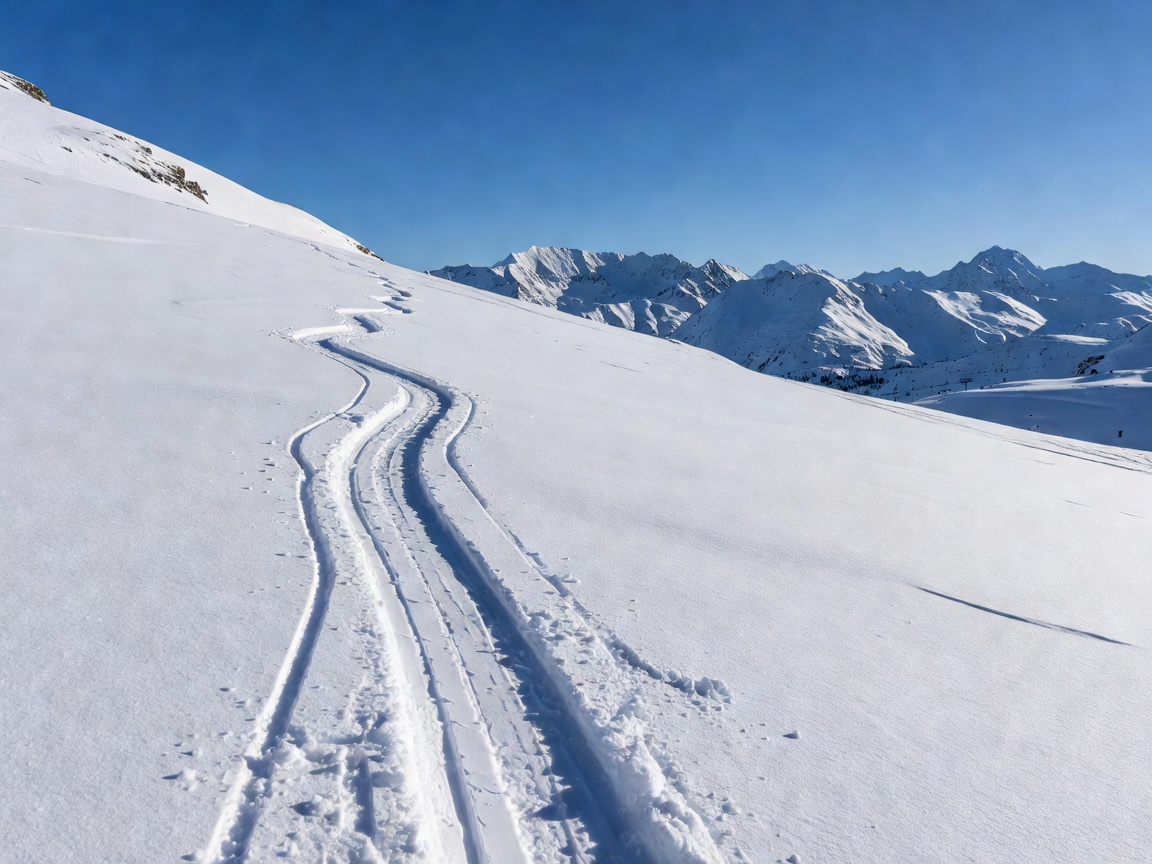
| Ski Touring | Wild backcountry without ski lifts | Hinged touring bindings, climbing skins, lightweight boots | Requires full backcountry navigation and avalanche risk analysis |
Lifts and Resort Infrastructure
European ski areas utilize high-capacity modern lift networks to move skiers across multiple valleys. The primary lift categories include:
- Surface Lifts (T-Bars, Button Lifts): Cable-drawn bars that tow skiers along the snow surface. Common on beginner nursery slopes and high glacier fields.
- Chairlifts: Suspended aerial chairs carrying two to eight skiers, often equipped with weatherproof bubble shields and heated seats.
- Gondolas & Cable Cars: Enclosed cabins that carry passengers to high ridge stations safely regardless of intense wind or cold.
For budget planning purposes, standard adult day ski passes in the Alps generally range between €45 and €85 per day, depending on the resort size and season. Full equipment rental packages (skis, boots, poles, helmet) typically range between €25 and €50 per day. Always check the official website of your specific destination for verified current tariffs.
Why Professional Lessons Matter
Attempting to learn skiing without professional instruction often leads to bad habits, rapid muscle fatigue, and fear. Certified ski instructors teach balance over the center of the ski, gradual weight shifting, and safe stopping techniques on nursery terrain before advancing to higher lifts.
Most resorts host certified ski schools offering group clinics and private coaching in multiple languages.