Snowboarding: Basics, Setup & Progression
Understand board mechanics, stance setup, protective gear, and how snowboarding compares to skiing for first-timers.
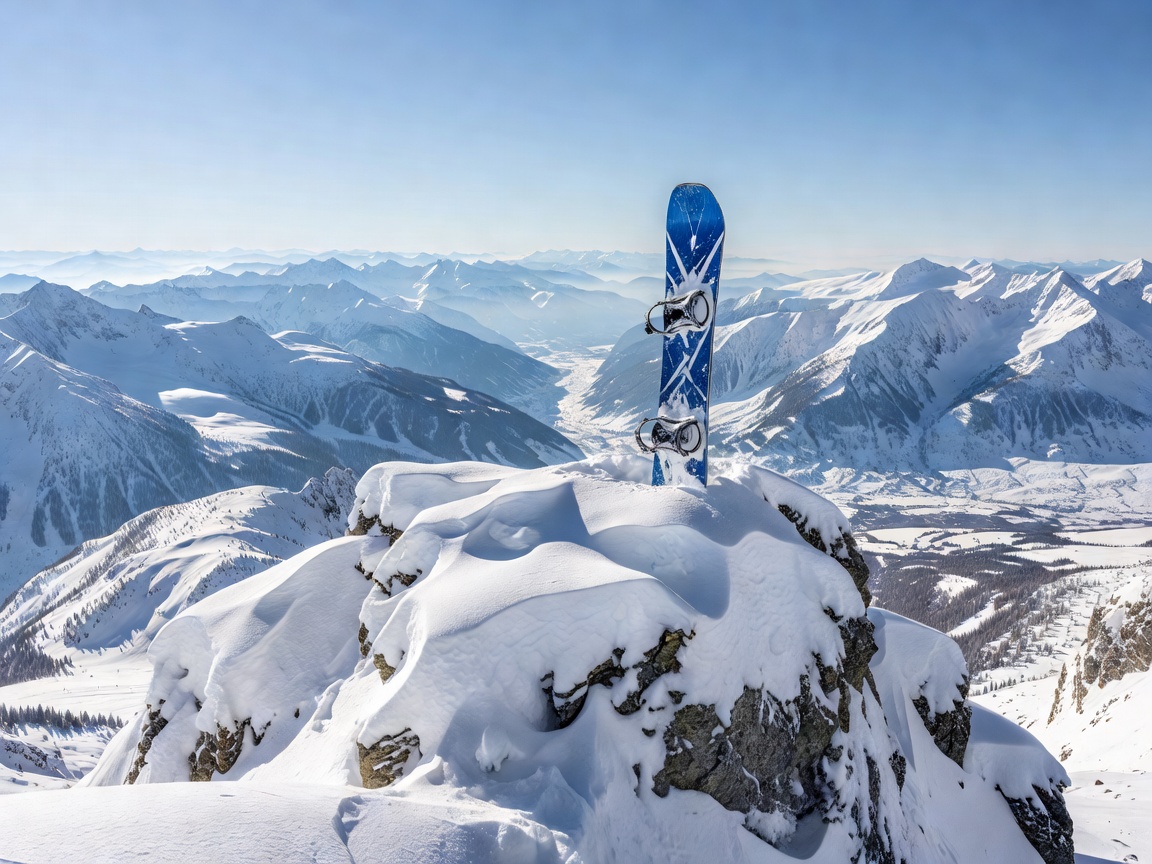
The Mechanics of Snowboarding
Snowboarding involves standing sideways on a single composite board with both feet fixed into bindings. Steering, accelerating, and braking are achieved by alternating pressure between the heelside edge (the edge behind your heels) and the toeside edge (the edge under your toes).
Because both feet are locked to one platform, beginner riders must adjust to relying on core rotational movement and subtle ankle adjustments rather than stepping from foot to foot.
Snowboarding vs. Skiing: The Beginner Comparison
Many newcomers wonder whether to start with skis or a snowboard. While personal preference plays a big role, each sport follows a distinct learning curve:
| Factor | Snowboarding | Alpine Skiing |
|---|---|---|
| Learning Curve | Steeper initial curve (first 2–3 days are physically demanding) | Faster initial progression (pizza wedge allows easy stopping on day one) |
| Footwear Comfort | Soft, padded boots allow natural walking | Rigid plastic boots make walking stiff and awkward |
| Physical Demands | Heavy use of core muscles, glutes, and calf stability | Heavy demand on quadriceps, knees, and thigh endurance |
| Flat Section Transit | Requires unclipping one binding or skating with one foot | Easy pole-pushing and gliding across long flats |
Board Shapes and Camber Profiles
Snowboards come in varied constructions tailored to terrain styles:
- All-Mountain Boards: Directional or twin shapes engineered to handle groomed runs, soft snow, and occasional park features. The best choice for beginners.
- Freestyle Boards: True twin shapes (identical nose and tail) with softer flex, designed for terrain parks, jumps, and switch riding (riding backwards).
- Freeride & Powder Boards: Directional shapes with longer, wider noses and tapered tails designed to keep the board floating effortlessly on deep, untracked powder.
Bindings and Stance Basics
Finding the right stance is essential for balance. The lead foot determines your stance name:
- Regular: Left foot forward.
- Goofy: Right foot forward.
Bindings are mounted at adjustable angles. A common beginner setup is the "duck stance" (e.g., +15 degrees on the front foot, -6 to -9 degrees on the back foot), which allows comfortable movement in both directions and eases hip tension.
Protective Gear and Mountain Safety
During the first few days of learning, falling onto knees, wrists, and the tailbone is very common. The following protective equipment is strongly recommended:
- Certified Snowboard Helmet: Standard protection against impacts on hard-packed snow.
- Wrist Guards: Specialized wrist braces worn under gloves reduce the risk of hyperextension injuries.
- Impact Shorts: Padded undershorts that cushion the tailbone and hips during early edge catches.
- Knee Pads: Soft neoprene pads to protect against repetitive kneeling on cold, firm snow.
Do not skip lessons. Working with a certified instructor during your first two days prevents the notorious "heel-edge catch" and saves significant physical stamina.