Alpine Hiking: Trails, Elevation & Safety
From gentle valley strolls to exposed alpine ridge passes, learn how to prepare for mountain trails across Europe.
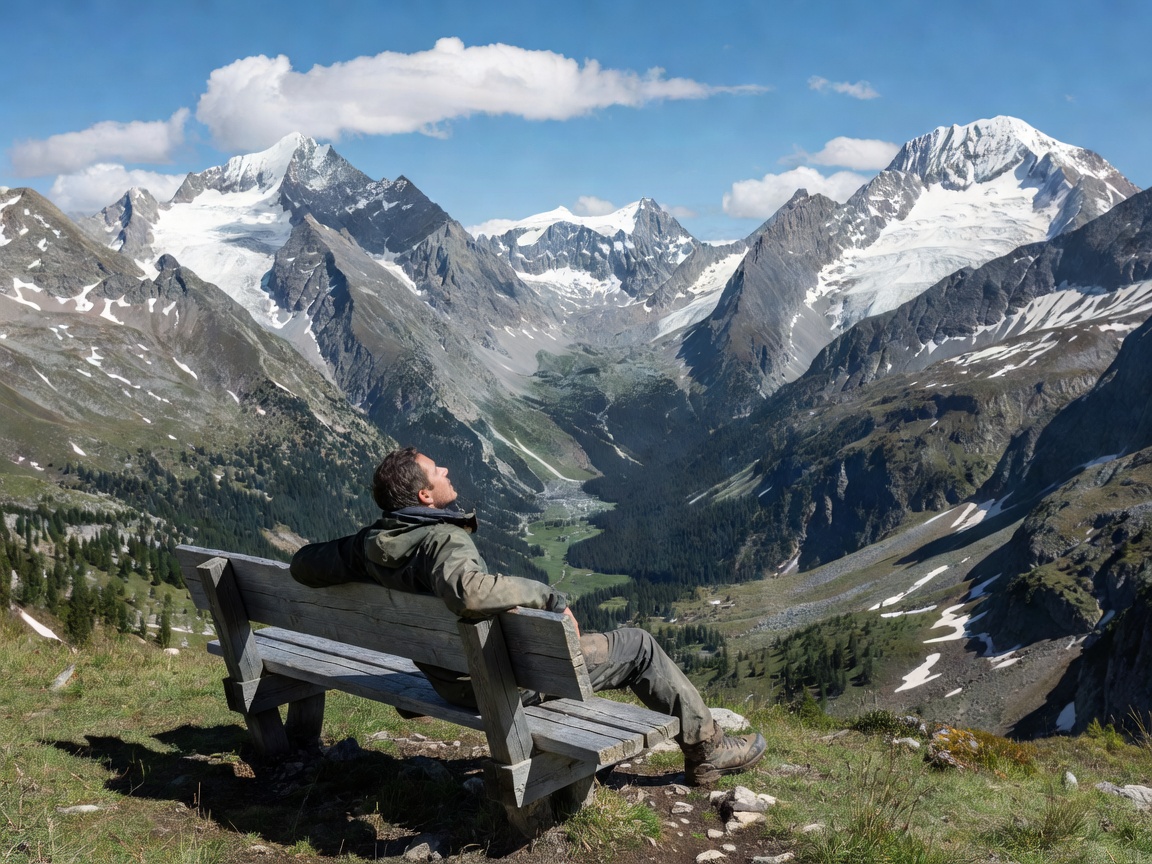
Understanding Trail Categories
Hiking in the Alps differs significantly from flatland walking. Elevation gain (meters climbed vertically) and terrain roughness dictate trip duration far more than simple horizontal distance.
Across Austria, Germany, and Switzerland, standard color-coded trail classifications are used on trail markers and topographic maps:
- Yellow / Easy (Valley Walks): Broad, well-maintained paths with minimal elevation gain. Accessible in standard sports footwear.
- Red / Moderate (Mountain Trails): Narrower, uneven paths that may include tree roots, loose rocks, and steady steep climbs. Requires supportive hiking boots with lugged soles.
- Black / Demanding (Alpine Routes): High-altitude trails featuring steep scree slopes, exposed rocky ridges, steel cables for handholds, or unbridged mountain streams. Demands surefootedness and a steady head for heights.
Rapid Weather Changes & Alpine Hazards
Mountain weather can shift rapidly. A sunny morning at 20°C in the valley can transform into a freezing thunderstorm with hail or sudden snowfall above 2,000 meters within less than an hour.
Always check official regional mountain meteorological reports before departure. If afternoon thunderstorms are forecast, begin your hike early in the morning so you are off high ridges or safely inside a mountain hut before midday.
Essential Hiking Equipment
Being properly equipped ensures comfort and self-reliance if conditions deteriorate:
- Footwear: Sturdy mountain boots with stiff Vibram-style rubber soles and ankle support. Trail running shoes are popular on easy trails, but high-top boots are safer in loose scree.
- Layered Clothing System: A breathable synthetic or merino base layer, an insulating fleece mid-layer, and a fully waterproof, windproof hardshell jacket (such as Gore-Tex).
- Navigation: A detailed topographic paper map (1:25,000 scale) and magnetic compass, paired with offline GPS mapping on a fully charged smartphone with a portable power bank.
- Hydration & Fuel: At least 1.5 to 2 liters of water per person, plus energy-dense snacks such as nuts, dried fruit, and flapjacks.
- Emergency Gear: A lightweight first aid kit, foil survival bivouac blanket, emergency whistle, and headlamp with spare batteries.
Mountain Hut Etiquette & Culture
The Alps host thousands of mountain huts (known as Refuges, Hütten, or Rifugi) maintained by national Alpine clubs. They provide hot meals, shelter, and overnight dormitory lodging for hikers.
Standard hut etiquette includes removing muddy hiking boots at the entrance and wearing provided hut slippers, carrying all your personal trash back down to the valley, and respecting the traditional quiet hours (Hüttenruhe), usually beginning at 22:00.